Creating a home workspace that is both sustainable and organized can transform the way you work and live. A well-designed area supports your productivity, reduces stress, and reflects your commitment to the environment. Whether you’re working remotely full-time or just occasionally, here are thoughtful tips to help you build a workspace that promotes focus and sustainability.
Why Sustainability Matters in a Home Workspace
Sustainability means choosing products and habits that reduce your environmental impact. In a workspace, this can involve using eco-friendly materials, conserving energy, and minimizing waste. A sustainable office not only benefits the planet but also creates a healthier environment for you.
Choosing the Right Location
Start by selecting a spot in your home that receives good natural light. Natural light brightens your space without extra electricity and improves mood and alertness.
– Find a quiet corner with good ventilation.
– Avoid spaces near distractions like TVs or noisy appliances.
– Consider proximity to power outlets for your electronic devices.
Furniture: Invest in Sustainable and Functional Pieces
Your furniture choices set the foundation for an organized workspace that lasts.
– Look for desks and chairs made from renewable or recycled materials.
– Opt for adjustable chairs that support good posture to avoid discomfort.
– Consider secondhand or refurbished furniture to reduce waste.
– Select pieces with built-in storage to reduce clutter.
Organizing Your Workspace
An organized area simplifies work and encourages efficient routines.
Declutter Regularly
Keep only what you need on your desk. Clutter can be distracting and contribute to stress.
– Use trays or small containers to store stationery.
– File documents digitally when possible to reduce paper use.
– Schedule a weekly tidy-up to maintain order.
Use Vertical Space
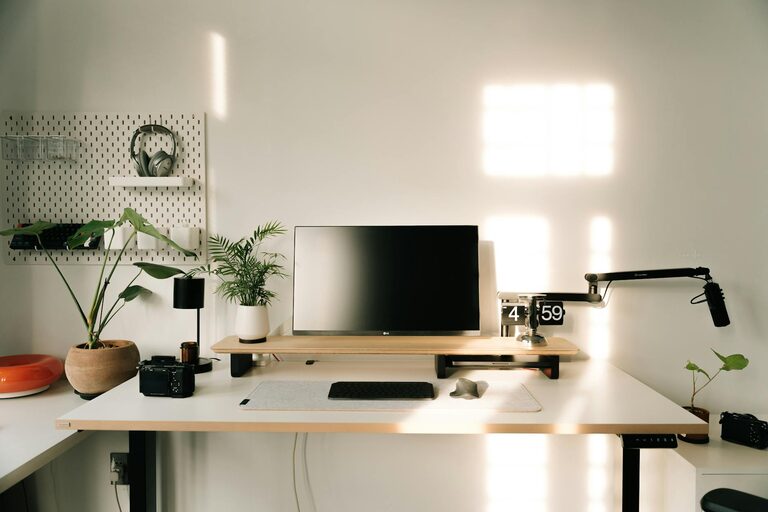
Shelves, pegboards, and wall organizers maximize space without crowding your desk.
– Hang items like calendars, notes, or small plants.
– Store books and binders on shelves to keep the desktop clear.
Cable Management
Messy cords create visual clutter and safety hazards.
– Use cable clips, ties, or a cable box to keep cords neat.
– Label cables for easy identification.
Eco-Friendly Office Supplies
Selecting the right supplies can reduce waste and support sustainability.
– Choose refillable pens and pencils over disposable ones.
– Use recycled paper or notebooks made from sustainable materials.
– Opt for non-toxic, biodegradable cleaning products to keep your workspace clean.
Minimizing Energy Consumption
Reduce your carbon footprint by managing energy use in your workspace.
– Turn off electronics when not in use or use power strips with switches.
– Use energy-efficient LED bulbs if you need additional lighting.
– Embrace natural daylight to cut down on artificial lighting needs.
Incorporating Greenery
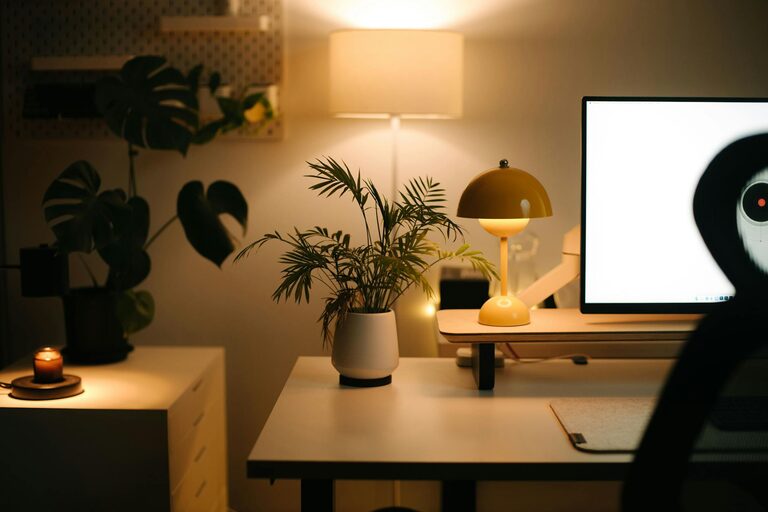
Plants improve air quality and add a touch of nature, enhancing both air and mood.
– Choose low-maintenance indoor plants like succulents or snake plants.
– Place plants near your work area to create a calming atmosphere.
– Remember to water and care for them regularly.
Personalize Mindfully
Adding personal touches can make your workspace inspiring, but try to keep it simple.
– Use artwork or photos with sustainable frames.
– Avoid plastic decor that may be harmful to the environment.
– Choose natural materials like wood, fabric, or pottery for decorative items.
Work-Life Balance and Workspace Boundaries
Creating clear boundaries helps maintain balance when working from home.
– Arrange furniture to separate your office from relaxation areas.
– Use room dividers or screens if necessary.
– Set specific work hours to keep routine and reduce burnout.
Maintain Your Workspace Over Time
Sustainability includes sustaining healthy habits and space upkeep.
– Periodically reassess your workspace setup for improvement.
– Repair or repurpose furniture or equipment instead of replacing.
– Recycle or donate unwanted items responsibly.
—
By implementing these tips, you’ll enjoy a home workspace that reflects sustainable values and helps you stay organized and productive. A thoughtful workspace is more than just a place to work—it’s an environment where you can flourish while supporting the planet.
About the Author